 علامات أونلاين alamatonline,موقع علامات


في الكويت، جماعة الإخوان المسلمين مؤيدة لأمريكا بصوت عالٍ، وفي العراق، دعم حزب الإخوان السياسي بثبات العملية السياسية المدعومة من الولايات المتحدة، وما زال يشكل جزءً من الائتلاف الحاكم.
وفي اليمن، يتعاون الحزب المرتبط بالإخوان مع بعض أقرب حلفاء أمريكا العرب في الحرب ضد فصيل تدعمه إيران.
يطرح اقتراح الرئيس ترامب بتسمية جماعة الإخوان المسلمين كمنظمة إرهابية السؤال الصعب عن من ينوي استهدافه باقتراحه.
تأسست المنظمة الإسلامية الأصلية، في مصر عام 1928م والتي تشعبت عنها أو كانت المملهمة للآلاف من الجماعات الاجتماعية أو السياسية المستقلة في جميع أنحاء العالم، التي هي بعيدة كل البعد عن النسق المتجانس.
وهذه المنظومة تشمل بجانب جمعيات التيار الرئيسي ومجموعات الدعوة في أوروبا وأمريكا الشمالية، وكذلك الأحزاب السياسية المعترف بها في دول حلفاء الولايات المتحدة من المغرب إلى إندونيسيا. وعلى الرغم من أن معظم الأحزاب المرتبطة بالإخوان تنتقد بشدة السياسة الخارجية للولايات المتحدة، إلا أن القليل منها على الأقل – مثل تلك الموجودة في الكويت والعراق واليمن – دعمت أحيانا الأهداف الأمريكية.
لقد جاء الضغط لفرض عقوبات على جماعة الإخوان المسلمين من مجموعة واحدة من الحلفاء أمريكا: مصر والسعودية والإمارات العربية المتحدة، الذين يرون أن الإخوان المسلمين ودعوتهم لإجراء الانتخابات تشكل تهديدا لاستقرارهم.
لكن الخطوة نفسها تخاطر بعزل مجموعة أخرى من الشركاء، بما في ذلك تركيا وقطر والأردن، الذين أما أخذوا جانب جماعة الإخوان المسلمين أو أدمجوا الإخوان في أنظمتهم السياسية.
إذا ما تركنا جانبا مسألة ما إذا كانت جماعة الإخوان المسلمين أو هذه الجماعات الفرعية تفي بالمعايير القانونية للتسمية كإرهابيين، فإن الاقتراح كما يقول الخبراء يخاطر باستدراج الولايات المتحدة إلى نزاع ليس لدى واشنطن مصلحة فيه.
وقالت كريستيان كوتس أولريخسن، الباحثة بمعهد بيكر للسياسة العامة بجامعة رايس: “إنها الحرب الباردة الجديدة في المنطقة، وليس هناك جانب جيد وجانب سيء من منظور الولايات المتحدة”.
فـ”كل هذه الدول شركاء أمريكيون مقربون، ووضعنا أنفسنا للانحياز لفريق ببساطة سيضر بالمصالح الأمريكية”.
إن تصنيف جماعة الإخوان المسلمين كمنظمة إرهابية أجنبية سيؤدي إلى منع أعضائها من دخول الولايات المتحدة ومنع أي شخص في البلاد من دعمهم أو حتى التشاور معهم.
ولكن من الصعوبة وصف الحركة الدولية الممتدة بأنها منظمة واحدة.
اليوم، قد تكمن العلاقة الوحيدة بين فروع الإخوان المتعددة في مكتب هادئ من طابقين فوق مطعم بيتزا مفتوح يقع في إحدى ضواحي شمال غرب لندن، بسبب حملة القمع الحكومية الشديدة ضد جماعة الإخوان المسلمين في مصر، أصبح الآن مقر زعيم جماعة الإخوان المسلمين بالوكالة إبراهيم منير، وهو محام يبلغ من العمر 82 سنة ذو بنية ضعيفة.
قال السيد منير، إنه ليس له سلطة على أو الكثير من الاتصالات مع العديد من المنظمات المستقلة المرتبطة بالإخوان في جميع أنحاء العالم، و”نحاول التنسيق، ولكنه ليس هيكلا إداريا”.
ترامب لا يمكنه بناء جدار ضد فكرة
ويقول ابراهيم منير إن جماعة الإخوان المسلمين ليست منظمة بقدر ما هي فكرة غير مقيدة بالحدود، وتتبابن تطبيقاتها على نطاق واسع ويكاد يكون من المستحيل محوها أو شطبها.
وقال: “يعتقد ترامب أنه يتعامل مع جماعة الإخوان المسلمين مثل هذا الجدار الذي يريد بناءه مع المكسيك، ولكن لا يمكنك بناء جدار ضد فكرة”.
إن غموض تلك الفكرة – التي تمثل بشكل أساسي إحياء ديني إسلامي من القاعدة إلى القمة يفتح الباب أمام التقدم الاجتماعي – قد اتاح لها العديد من التفسيرات التي تتبعها مجموعات متباينة.
لكن تمدد جماعة الإخوان ليس سوى عقبة واحدة أمام تصنيفها كمجموعة إرهابية.
بموجب قانون الولايات المتحدة، يمكن تطبيق التصنيف فقط على المنظمات التي تستخدم العنف ضد المصالح الأمريكية، ولا يوجد دليل متاح علنا على أن جماعة الإخوان المسلمين المصرية قامت بذلك.
عدد قليل من فروع الاخوان قد ينطبق عليهم ذلك أمريكيا – أبرزها حماس، الجماعة الفلسطينية المسلحة – لكن الولايات المتحدة فرضت عليهم عقوبات بالفعل.
وقد عارض الموظفون المهنيون العاملون في البنتاغون ووزارة الخارجية ومجلس الأمن القومي اقتراح السيد ترامب جزئياً لتلك الأسباب القانونية.
وستكون هذه أيضا هي المرة الأولى التي تطبق فيها الولايات المتحدة العلامة الإرهابية على حركة جماهيرية شعبية، تضم ملايين من الاتباع العالم الإسلامي، وليست منظمة صغيرة وسرية على غرار القاعدة.
من بين حلفاء أمريكا، الحزب الحاكم في تركيا يعد قرين ورفيق أيدلوجي. في الأردن، يعتمد الملك عبد الله منذ فترة طويلة على حزب مرتبط بالإخوان لإيجاد معارضة سياسية محدودة وغير عنيفة، وقد سعت قطر إلى توسيع نفوذها من خلال التحالف مع الإسلاميين على غرار الإخوان.
من بين الحكومات المتحالفة مع أمريكا … البحرين والمغرب وتونس وإندونيسيا وماليزيا وكينيا، تعترف جميعها بالأحزاب السياسية التب تستمد جذورها من أيدولوجية الإخوان المسلمين.
ظلت هذه الأحزاب والحكومات صامتة حتى الآن بشأن اقتراح السيد ترامب، ربما خوفا من خوض معركة مع البيت الأبيض بينما تظل فرص أي إجراء غير مؤكدة… ولكن مع ذلك، فإن التوتر واضح.
في تركيا، جادل ياسين أكتاي، وهو سياسي مقرب من الرئيس رجب طيب أردوغان، في عمود حديث في إحدى الصحف أن العقوبة المقترحة ضد جماعة الإخوان المسلمين “ستوجه ضربة جديدة لمصداقية الولايات المتحدة” و”تحمل مخاطرة أن يُنظر إليها على أنها الإعلان الكامل للحرب ضد ليس فقط هذه المنظمة ولكن الإسلام”.
في الأردن، حيث يشغل حزب سياسي نشأ عن الحركة 16 مقعدا في البرلمان، قاوم الملك عبد الله مطالب السعودية والإمارات العربية المتحدة بحظر جماعة الإخوان المسلمين كمنظمة إرهابية.
وقال عامر السبيلة، محلل السياسي وكاتب عمود في عمان، إن قيام الأمريكيين بذلك “سوف يضع الأردن في مواجهة مباشرة مع الولايات المتحدة”.
في الكويت، يعود الموقف الإيجابي لحزب الإخوان تجاه واشنطن إلى الدور الذي لعبته الولايات المتحدة في دحر غزو العراق قبل ثلاثة عقود تقريبا.
في العراق، شكل حزب الإخوان الذي يهيمن عليه السنة شراكات متعددة الطوائف مع الأحزاب التي يهيمن عليها الشيعة في الحكومات الائتلافية المتعاقبة، حتى على حساب فقدان بعض الدعم السياسي السني.
في اليمن، قام الحزب المرتبط بالإخوان بتشكيل تحالف غريب الأطوار مع المملكة العربية السعودية والإمارات العربية المتحدة لمحاربة عدو مشترك، الحوثيين المدعومين من إيران.
وفي البحرين، موطن قاعدة بحرية أمريكية رئيسية، يعتبر الحزب المرتبط بالإخوان ركيزة دعم اساسية للملكة السنية التي تجابه معارضة الأغلبية الشيعية في البلاد.
تم اعتبار حماس، الفرع الفلسطيني لجماعة الإخوان المسلمين، منظمة إرهابية منذ عام 1993م، وجادل مؤيدوها هذا الأسبوع بأن منظمتهم يمكن أن تستفيد إذا قام السيد ترامب بفرض عقوبات على حركة الإخوان الأكبر، لأن ذلك سوف يقلل من التكلفة على أنصار الإخوان لدعم أبناء عمومتهم الفلسطينيين.
وتساءل باسم نعيم، وزير الصحة الفلسطيني السابق وعضو بارز في حماس: “إذا كانوا سيعتبرون الإخوان على أي حال كذلك، فلماذا إذا لا يدعمون حماس؟”، “ليس لديهم شيء يخسرونه”.
لاحظ العديد من الخبراء في واشنطن أنه إلى جانب حماس، فإن الأحزاب المنتمية إلى فكر جماعة الإخوان قد انخرطت في نوع من السياسات البرلمانية اللاعنفية التي يشجعها المسؤولون الأمريكيون عادة، هكذا قالت ميشيل دان، باحثة في مؤسسة كارنيجي للسلام الدولي، إن وصف جماعة الإخوان المسلمين بأنها منظمة إرهابية يمكن أن يبعث برسالة مقلقة إلى الشباب في منطقة بها عدد قليل من الطرق الصالحة لتحسين حياتهم.
وقالت: “لا يمكنني التفكير في أي شيء يأتي بنتائج عكسية إذا كان ما نريد القيام به هو تشجيع الشباب على السير في طرق سلمية بدلا من العنف”.
على مدار عمرها الـ 90 عاما، تعرضت الجماعة مرارا وتكرارا لضغوط من قوى الأمن المصرية.
انضم السيد منير إلى جماعة الإخوان المسلمين في مصر في سن الرابعة عشر وأمضى 16 عاما في السجن بسبب حملة قمع قام بها الرئيس جمال عبد الناصر.
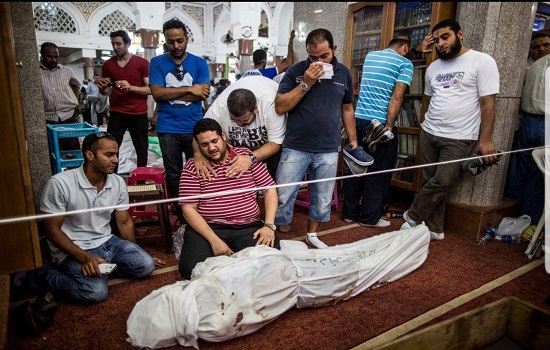
والآن تراجعت جماعة الإخوان المسلمين المصرية عن المعارضة السياسية النشطة، وبنفس القدر تراجعت أمام حملة القمع التي قام بها الرئيس عبد الفتاح السيسي، بعد تنفيذه انقلاب عسكري في عام 2013م أزال رئيسا منتخبا جاء من جماعة الإخوان المسلمين، وأشرف السيد السيسي على مقتل الآلاف وسجن عشرات الآلاف من أنصار الرئيس السابق من الإخوان المسلمين.
وقال منير إن المهمة الأساسية للجماعة الآن هي تقديم الدعم لعائلات القتلى والمسجونين.
وقال إنه قبل سبع سنوات فقط، قضى مسؤول كبير في جماعة الإخوان المسلمين 40 دقيقة في المكتب البيضاوي مع الرئيس باراك أوباما متحدثا عن المستقبل الديموقراطي لمصر.
هذا المسؤول – عصام الحداد – كان مستشار الأمن القومي للرئيس المصري محمد مرسي، القائد الآخر من الإخوان وأول رئيس منتخب دميوقراطيا في مصر.
السيد الحداد الآن في السجن منذ ما يقرب من ست سنوات بتهم مسيسة.
وقال السيد منير إنه مندهش من صمت المسؤولين الأمريكيين الذين عرفوا السيد الحداد خلال العام الذي قضاه السيد مرسي في منصبه.
قال السيد منير: “إنها صدمة حقيقية”، “عندما ذهب عصام الحداد إلى الإدارة لإجراء حوار، فهل كان الأمر مجرد لعبة؟”.
**************
Trump Considers Them Terrorists,
- May 10, 2019
LONDON —
In Kuwait, the Muslim Brotherhood is vocally pro-American.
In Iraq, the Brotherhood’s political party has steadfastly supported the American-backed political process and still forms part of the governing coalition.
And in Yemen, the Brotherhood-linked party is cooperating with some of America’s closest Arab allies in a war against a faction backed by Iran.
President Trump’s proposal to designate the Muslim Brotherhood as a terrorist organization raises the difficult question of just whom he intends to target. The original Islamist organization, founded in Egypt in 1928, has spun off or inspired thousands of independent social or political groups around the world, and they are far from monolithic.
They include mainstream associations and advocacy groups in Europe and North America, as well as recognized political parties in United States allies from Morocco to Indonesia. Although most of the Brotherhood-linked parties are sharply critical of United States foreign policy, at least a few — like those in Kuwait, Iraq and Yemen — have sometimes also supported American goals.
[Is the Muslim Brotherhood terrorist?]
The push to sanction the Brotherhood has come from one set of American allies: Egypt, Saudi Arabia and the United Arab Emirates, who see the Brotherhood and its calls for elections as a threat to their stability.
But the same step risks alienating another set of partners, including Turkey, Qatar and Jordan, which have either aligned themselves with the Brotherhood or integrated Brotherhood spinoffs into their political systems.
Leaving aside the question of whether the Brotherhood or these spinoffs meet the legal criteria for designation as terrorists, experts say, the proposal risks drawing the United States into a feud that Washington has no stake in.
“It is the new cold war in the region, and there is not a good side and a bad side from the U.S. perspective,” said Kristian Coates Ulrichsen, a scholar at the Baker Institute for Public Policy at Rice University. “All these countries are close American partners, and letting ourselves get forced to take sides will just harm U.S. interests.”
* Captcha is incomplete. Please try again.
Designating the Muslim Brotherhood as a foreign terrorist organization would block its members from entering the United States and bar anyone in the country from supporting or even consulting with them.
But the far-flung international movement can hardly be described as a single organization.
Today the only connection among the Brotherhood’s many offshoots may lie in a sleepy two-story office above a defunct takeout pizza restaurant in a suburb northwest of London. Because of a ferocious government crackdown against the Muslim Brotherhood at home in Egypt, this is now the headquarters of the Egyptian Brotherhood’s acting leader, Ibrahim Munir, a frail 82-year-old lawyer.
In truth, Mr. Munir said, he has no authority over or much contact with the many independent Brotherhood-linked organizations around the world.
“We try to coordinate,” he said, “but it is not a management structure.”
Moreover, he argued, the Brotherhood is not an organization as much as an idea — unconstrained by borders, subject to widely varying applications and almost impossible to expunge.
“Trump thinks he is treating the Muslim Brotherhood like that wall he wants to build with Mexico, but you can’t build up a wall against an idea,” he said.
The vagueness of that idea — essentially that a bottom-up Islamic religious revival will unlock social progress — has opened it to many interpretations followed by disparate groups.
But the Brotherhood’s atomization is only one obstacle to its designation as terrorist group.
Under United States law, the designation can be applied only to organizations that direct violence against American interests, and there is no publicly available evidence that the Egyptian Muslim Brotherhood has done that.
A few Brotherhood spinoffs may qualify — notably Hamas, the Palestinian militant group. But the United States has already sanctioned them.
Career staff working for the Pentagon, State Department and the National Security Council have argued against Mr. Trump’s proposal in part for those legal reasons.
It would also be the first time the United States has applied the terrorist label to a popular mass movement, one with millions of followers across the Muslim world, not a small and secretive organization on the model of Al Qaeda.
Among American allies, the ruling party in Turkey is an ideological cousin; in Jordan, King Abdullah has long relied on a Brotherhood-linked party to provide an outlet for limited and nonviolent political opposition; and Qatar has sought to expand its influence by aligning with the Brotherhood-style Islamists.
The American-allied governments of Bahrain, Morocco, Tunisia, Indonesia, Malaysia and Kenya also all recognize political parties rooted in the ideology of the Muslim Brotherhood.
Those parties and governments have so far stayed quiet about Mr. Trump’s proposal, possibly for fear of picking a fight with the White House while the chances of any action remain uncertain. Still, the tension is clear.
In Turkey, Yasin Atkay, a politician close to President Recep Tayyip Erdogan, argued in a recent newspaper column that the proposed sanction against the Brotherhood would “deliver a new blow to the U.S.’s own credibility” and “carries the risk of being perceived as a total declaration of war against not only this organization but Islam.”
In Jordan, where a political party that grew out of the movement holds 16 seats in Parliament, King Abdullah has resisted demands from Saudi Arabia and the United Arab Emirates to outlaw the Muslim Brotherhood as a terrorist organization.
The Americans’ doing so “will put Jordan in a direct confrontation with the U.S.,” said Amer Sabaileh, a political analyst and columnist in Amman.
In Kuwait, the Brotherhood party’s positive attitude toward Washington dates to the role that the United States played in rolling back an invasion by Iraq nearly three decades ago.
In Iraq, the Sunni-dominated Brotherhood party has formed cross-sectarian partnerships with Shiite-dominated parties in successive coalition governments, even at the price of losing some Sunni political support.
In Yemen, the party associated with the Brotherhood has formed a strange-bedfellows alliance with Saudi Arabia and the U.A.E. to battle a common enemy, the Iranian-backed Houthis.
And in Bahrain, the home of a major American naval base, the Brotherhood-linked party is a pillar of support for the Sunni monarchy, which has struggled against opposition from the country’s Shiite majority.
Hamas, the Palestinian offshoot of the Muslim Brotherhood, has been designated a terrorist organization since 1993, and its supporters argued this week that their organization could benefit if Mr. Trump sanctioned the larger Brotherhood movement. It would diminish the cost to Brotherhood supporters of backing their Palestinian cousins.
“If they are considered terrorists anyway, why not support Hamas?” asked Basem Naim, a former Palestinian health minister and prominent Hamas member. “They have got nothing to lose.”
Several experts in Washington noted that, aside from Hamas, Brotherhood-inspired parties had engaged in the kind of nonviolent parliamentary politics that American officials usually encourage. Calling the Brotherhood a terrorist organization could thus send a troubling message to young people in a region with few viable paths to improve their lives, argued Michele Dunne, a scholar at the Carnegie Endowment for International Peace.
“I can’t think of anything more counterproductive if what we want to do is encourage young people to take peaceful routes instead of violence,” she said.
Over its 90-year history, the organization has frequently come under pressure from the Egyptian police state.
Mr. Munir joined the Muslim Brotherhood in Egypt at 14 and spent 16 years in prison for it during a crackdown by President Gamal Abdel Nasser.
Now the Egyptian Brotherhood has all but receded from active political opposition, retreating in the face of an equally sweeping crackdown by President Abdel Fattah el-Sisi. After carrying out a military takeover in 2013 that removed an elected president who had come from the Muslim Brotherhood, Mr. el-Sisi has overseen the killing of thousands and the imprisonment of tens of thousands of the former president’s Brotherhood supporters.
The group’s primary function now, Mr. Munir said, was to provide support for the families of those killed or jailed.
Only seven years ago, he said, a senior Brotherhood official spent 40 minutes in the Oval Office with President Barack Obama talking about a democratic future for Egypt.
The official, Essam Haddad, was the national security adviser to Egyptian President Mohammed Morsi, another Brotherhood leader and Egypt’s first democratically elected president.
Mr. Haddad has now been in prison for nearly six years on politicized charges.
Mr. Munir said he was stunned by the silence of the American officials who had known Mr. Haddad during Mr. Morsi’s year in office.
“It is a shock, really,” Mr. Munir said. “When Essam Haddad went to the administration for a dialogue, was it just a game?”
********
David Halbfinger contributed reporting from Jerusalem, and Rana Sweiss from Amman, Jordan.